Introduction: The Rise of a Quiet Retail Giant
In a market dominated by global giants and established domestic players, Zudio has emerged as one of the fastest-growing fashion retail brands in India—without relying on aggressive advertising or celebrity endorsements.
Backed by Trent Limited under the Tata Group umbrella, Zudio has built a powerful presence in the budget fashion segment, targeting India’s rapidly expanding middle-class and value-conscious consumers.
As inflation pressures and discretionary spending patterns evolve, Zudio’s model is increasingly aligned with what Indian consumers want: trend-led fashion at highly accessible price points.
India’s Budget Fashion Opportunity
India’s fashion retail market is undergoing a structural shift:
- Rising demand from Tier 2 & Tier 3 cities
- Increased fashion awareness among young consumers
- Price sensitivity driven by inflation and income distribution
While premium brands like Zara and H&M dominate the aspirational segment, the real volume lies in affordable fashion—a space where Zudio has built a sharp competitive edge.
1. Hyper-Aggressive Store Expansion Strategy
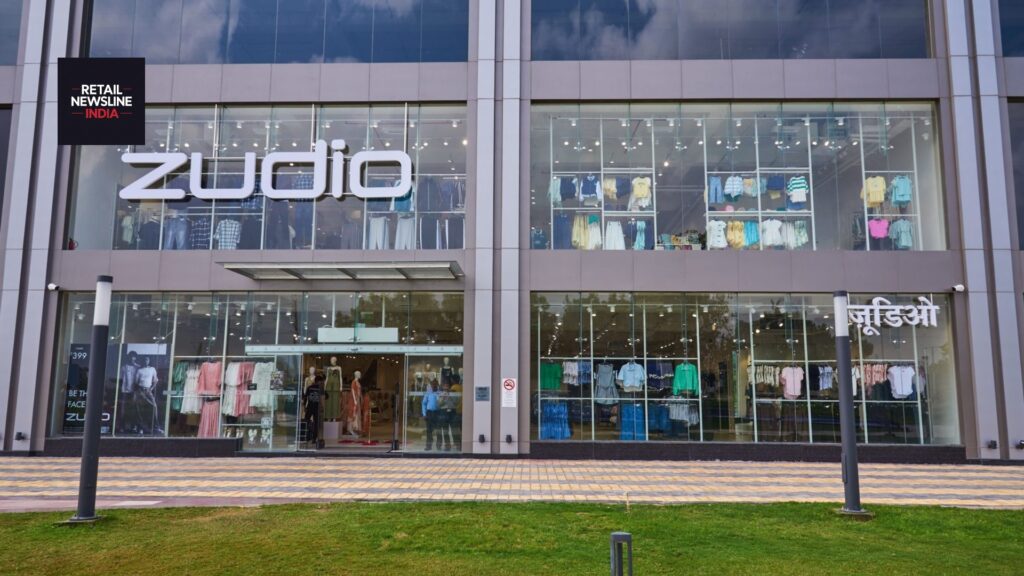
Zudio’s growth is fundamentally driven by physical retail scale.
Key Execution Levers:
- Rapid rollout of stores across India
- Focus on high-street locations and neighborhood catchments
- Smaller, cost-efficient store formats
- Faster store break-even timelines
Unlike competitors that rely heavily on malls, Zudio’s presence in accessible locations allows it to tap into daily footfall rather than destination shopping.
👉 This has enabled Zudio to penetrate markets where brands like Reliance Trends and Pantaloons traditionally dominated.
2. Price Disruption: The ₹199–₹999 Strategy
Zudio’s pricing architecture is engineered for scale.
Pricing Insights:
- Entry-level products starting around ₹199
- Majority of SKUs under ₹999
- Minimal reliance on discount cycles
This creates a clear psychological advantage:
- Customers perceive high value
- Purchase decisions become impulsive
- Basket sizes increase due to affordability
👉 In contrast, brands like H&M operate at higher price bands, limiting frequency of purchase for mass consumers.
3. Fast Fashion, But Smarter for India
Zudio adapts the global fast fashion model—but localizes it effectively.
Core Model:
- Limited inventory per design
- Frequent assortment refresh
- Quick turnaround cycles
Strategic Advantage:
- Reduces unsold inventory risk
- Eliminates deep discount dependency
- Drives repeat store visits
👉 This “scarcity-driven demand” model creates urgency—customers know products won’t stay long.
4. Private Label Dominance = Margin Control
Zudio operates largely on private labels, unlike multi-brand retailers.
Benefits:
- End-to-end control over design, pricing, and supply
- Better gross margins
- Faster trend adaptation
This also allows Zudio to maintain consistent brand identity, unlike competitors with fragmented offerings.
5. Deep Penetration in Tier 2 & Tier 3 India
Zudio’s real strength lies beyond metros.
Why this matters:
- Tier 2/3 cities are seeing higher consumption growth
- Rising aspirations + limited branded options
- Lower competition from global players
Zudio positions itself as:
👉 “Affordable fashion for aspirational India”
This strategy is unlocking massive untapped demand.
6. Operational Strength Backed by Tata Ecosystem
Being part of the Tata Group gives Zudio structural advantages:
- Strong vendor relationships
- Efficient supply chain
- Real estate leverage
- Brand trust
Parent company Trent Limited also brings:
- Proven retail expertise (Westside, Star Bazaar)
- Scalability frameworks
👉 This reduces execution risk compared to startups.
7. Competitive Landscape: Where Zudio Wins
| Brand | Strength | Weakness |
| Zudio | Ultra-affordable + fast expansion | Limited online presence |
| Reliance Trends | Wide network | Less trend-focused |
| Pantaloons | Brand recall | Higher pricing |
| H&M | Global fashion | Expensive for mass market |
| Zara | Premium positioning | Limited accessibility |
👉 Zudio wins on price + accessibility + speed
8. Low Marketing, High Efficiency Model
Unlike most fashion brands, Zudio spends minimal on advertising.
Growth Drivers Instead:
- Store visibility
- Word-of-mouth
- High footfall locations
👉 This keeps customer acquisition costs extremely low and improves profitability.
9. Future Outlook: What Lies Ahead?
Zudio’s next phase of growth may include:
- Continued offline expansion
- Supply chain optimization
- Potential e-commerce integration
- Category expansion (kidswear, accessories, etc.)
With India’s retail market expected to expand rapidly, Zudio is well-positioned to become a dominant mass-market fashion brand.
Conclusion: A Perfectly Aligned Retail Strategy
Zudio’s success is a result of strategic clarity and disciplined execution:
- Right price point
- Right locations
- Right product strategy
- Strong backend support
At a time when consumers are prioritizing value over brand prestige, Zudio is not just participating in the market—it is reshaping it.
Frequently Asked Questions (FAQs)
1. What is Zudio and who owns it?
Zudio is an affordable fashion retail brand in India owned by Trent Limited, which is part of the Tata Group. It focuses on offering trendy clothing at highly budget-friendly prices.
2. Why is Zudio growing so fast in India?
Zudio is growing rapidly due to its low pricing strategy, aggressive store expansion, and focus on Tier 2 and Tier 3 cities. Its ability to deliver fashionable clothing at affordable prices makes it highly appealing to India’s value-conscious consumers.
3. What is Zudio’s pricing strategy?
Zudio follows a mass-market pricing model, with most of its products priced between ₹199 and ₹999. This allows it to attract a large customer base and drive high sales volumes.
4. How is Zudio different from Reliance Trends and Pantaloons?
Zudio differentiates itself through lower pricing, faster inventory turnover, and a stronger focus on private labels, while competitors like Reliance Trends and Pantaloons often operate at slightly higher price points with a mix of branded offerings.
5. Does Zudio follow a fast fashion model?
Yes, Zudio follows a localized fast fashion model where it frequently updates collections, maintains limited stock, and encourages repeat visits through new styles and quick turnover.
6. Is Zudio available online?
Currently, Zudio operates primarily as an offline retail brand, focusing on physical store expansion across India. However, it may explore e-commerce in the future.
7. Why is Zudio popular in Tier 2 and Tier 3 cities?
Zudio targets aspiring middle-class consumers in smaller cities by offering trendy clothing at affordable prices, where access to global fashion brands like Zara and H&M is limited.
8. What type of products does Zudio offer?
Zudio offers a wide range of men’s, women’s, and kids’ apparel, along with footwear and accessories, all designed to be trendy yet affordable.
9. What makes Zudio’s business model successful?
Zudio’s success comes from affordable pricing, a strong private label strategy, an efficient supply chain, and rapid store expansion, allowing it to scale quickly while maintaining profitability.
10. What is the future of Zudio in India’s retail market?
With strong backing from the Tata Group and increasing demand for budget fashion, Zudio is expected to continue expanding rapidly and strengthen its position as a leading mass-market fashion brand in India.