Executive Summary
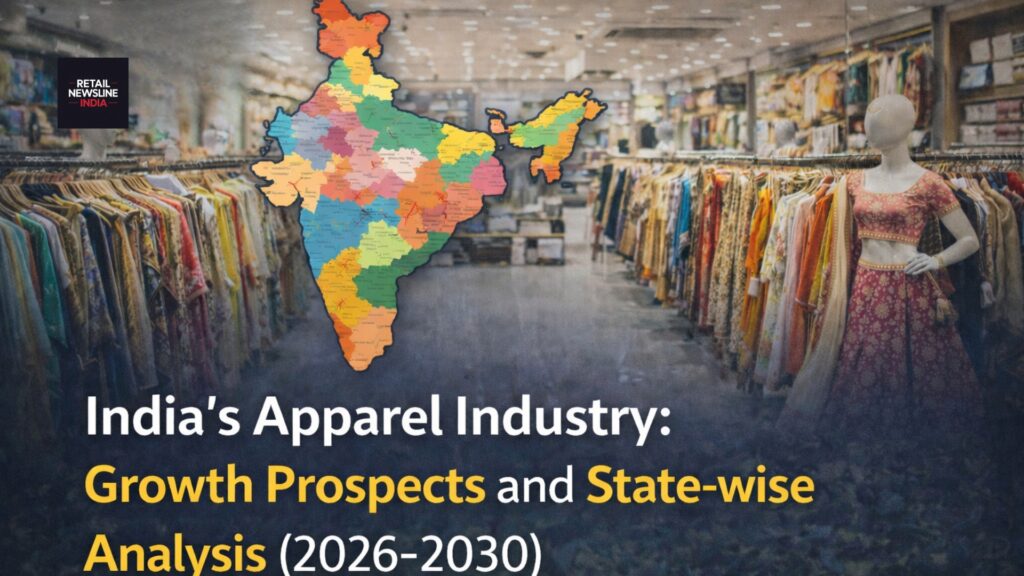
India’s apparel industry is poised for substantial growth over the next five years, driven by rising incomes, e-commerce penetration, evolving consumer preferences, and supportive government policies. The sector, which currently contributes approximately 2.3% to India’s GDP and employs over 45 million people directly, is undergoing a significant transformation with both domestic and international markets offering immense opportunities. This report analyzes market growth projections, key growth drivers, state-wise distribution of manufacturing hubs, and emerging opportunities in the Indian apparel sector.
1. Market Overview and Growth Projections
1.1 Market Size and Growth Rates
| Market Size | USD 115.7-120.4 Billion (2024-2025) | USD 130-171.6 Billion (2030-2035) |
| Growth Rate (CAGR) | 8.45% – 10-12% annually | Sustained 3-4% CAGR |
| Apparel Segment Only | USD 88-106.9 Billion | USD 109-146.3 Billion |
| E-commerce Channel | Emerging segment | USD 63 Billion (24% CAGR) |
| Per Capita Consumption | 24.9 pieces per person (2025) | Expected to grow with rising incomes |
1.2 Key Growth Drivers
· Rising Disposable Incomes: India’s per capita income is projected to increase from USD 1,379 in FY25 to USD 4,000 by FY30, enabling greater consumer spending on apparel and lifestyle products.
· Urbanization and Retail Expansion: Growing urbanization is driving formal retail expansion, with organized retail expected to grow from 45% in 2025 to higher levels by 2030. Global brands like Uniqlo, H&M, and Decathlon are rapidly expanding, alongside local brands like Zudio.
· E-commerce Revolution: Online apparel retail is expected to reach USD 63 billion by 2030 with a CAGR of 24%, transforming how consumers shop for clothing through omnichannel retail, quick-commerce, and direct-to-consumer (D2C) models.
· Demographic Advantages: India’s young population and growing middle class provide a vast consumer base. Increasing participation of women in the workforce adds to domestic demand for diverse apparel segments.
· Government Support: The Production-Linked Incentive (PLI) scheme aims to boost apparel exports to USD 50 billion by 2030. Schemes like MITRA Parks, Technology Upgradation Fund Scheme (TUFS), and Scheme for Integrated Textile Parks support infrastructure and innovation.
· Sustainability and Ethical Fashion: Growing environmental consciousness among consumers is driving demand for sustainable and ethically produced apparel, encouraging brands to adopt eco-friendly practices aligned with global trends.
2. Industry Challenges and Opportunities
2.1 Key Challenges
· Supply Chain Disruptions: Shipping delays and logistics challenges affect export timelines. Companies like Inditex are increasing air freight to mitigate delays.
· Competition from International Brands: Increasing presence of global fashion retailers intensifies competition for market share.
· Infrastructure Constraints: Inadequate infrastructure and lower labor productivity compared to competing nations hinder efficiency.
· Unorganized Sector: A substantial portion remains unorganized, though formal retail is gradually increasing.
· Product Complexity: Managing wide product ranges, counterfeit returns, demand forecasting, and inventory accuracy remain operational challenges.
2.1 Emerging Opportunities
· Rural Market Expansion: Growing disposable incomes and internet penetration in rural areas provide an untapped consumer base.
· Export Growth: India’s textile shipments stand at USD 35.14 billion, with targets to reach USD 100 billion by 2030.
· Branded Apparel Growth: Branded apparel is expected to grow at over two times the pace of unbranded, reflecting consumer preference shift.
· Start-up Ecosystem: Over 3,000 textile start-ups are driving innovation in design, manufacturing, and D2C channels.
· International Investment: Japanese and other international companies are keen to invest in India’s textile and apparel sectors.
· Quick-Commerce Integration: Rapid delivery services are becoming key channels for apparel retail expansion.
3. State-wise Manufacturing Hubs and Distribution
India’s apparel industry is geographically concentrated in specific states that have developed specialized expertise, infrastructure, and skilled workforce. The following states are the primary manufacturing hubs:
Tamil Nadu: Dominant Hub
Key Specializations:
· Knitwear Capital: Tirupur manufactures knitted garments (t-shirts, sweatshirts, sportswear)
· Home Textiles: Karur is a major hub for home textiles manufacturers and exporters
· Woven Fabrics: Salem and Erode produce wide range of woven fabrics for domestic and export markets
· Viscose Yarn: Pallipalayam near Erode is India’s largest viscose yarn producer
· Silk Sarees: Kanchipuram renowned for premium silk sarees globally
Workforce: 1 in 3 apparel factory workers in India work in Tamil Nadu
Major Products: Knitwear, woven fabrics, home textiles, silk products, ready-made garments
Gujarat: Major Hub
Key Specializations:
· Cotton Production: Contributes over 30% of India’s cotton production
· Denim Hub: Ahmedabad known as “Manchester of India,” key hub for denim manufacturing
· Synthetic Textiles: Surat renowned for polyester and viscose fabrics production
· Power Looms: Extensive network of power loom units
· Textile Parks: Well-established ecosystem with textile parks and industrial hubs
Workforce: Large organized and unorganized manufacturing base
Major Products: Cotton, denim, synthetic fabrics, knitted textiles, power-loom products
Maharashtra: Heritage Hub
Key Specializations:
· Cotton Mill Textiles: Produces 39.38% of India’s mill cloth
· Yarn Production: Produces 10.79% of India’s yarn
· Ready-Made Garments: Mumbai and nearby regions major centers for ready-to-wear garments
· Major Centers: Mumbai (Tardeo – first cotton mill, 1854), Bhiwandi, Ichalkaranji, Solapur
Workforce: About 3 lakh (300,000) workers engaged in textile industry
Major Products: Cotton textiles, mill cloth, yarn, ready-made garments
Telangana: Rapidly Emerging Hub
Key Specializations:
· Kakatiya Mega Textile Park: One of India’s largest textile parks in Warangal
· Raw Material Supply: Leading cotton producer for raw material supply
· Government Initiatives: Telangana Textile and Apparel Policy providing incentives and subsidies
· Major Investors: Companies like Ginni Filaments, Welspun Group, Gokaldas Images, Nandan Denim investing
Workforce: Growing employment in organized garment manufacturing sector
Major Products: Apparel, textiles, cotton products, integrated textile solutions
Haryana: Export-Oriented Hub
Key Specializations:
· Garment Exports: Key player in export of ready-made garments
· Major Hubs: Gurgaon and Faridabad serve as major production centers
· Skilled Workforce: Availability of skilled and semi-skilled workforce
· Proximity: Excellent connectivity to Delhi and international markets
· Business-Friendly: Top in labor regulation reforms and ease of doing business
Workforce: Significant concentration of apparel manufacturing workforce
Major Products: Ready-made garments, export-oriented apparel, formal and casual wear
Punjab: Specialized Hub
Key Specializations:
· Hosiery Capital: Ludhiana world-renowned for hosiery production
· Woolen Textiles: Specializes in woolen textile production
· Knitted Garments: Major producer of knitted apparel
· Regional Centers: Ludhiana and Amritsar prominent textile centers
Workforce: Well-established skilled workforce in hosiery and woolen textiles
Major Products: Hosiery, woolen textiles, knitted garments, thermal wear
Uttar Pradesh: Emerging Multi-segment Hub
Key Specializations:
· Cotton Textiles: Major cotton textile centers in Kanpur, Etawah, Modinagar, Moradabad
· Heritage Crafts: Blend of heritage embroidery (Lucknow) with industrial manufacturing
· Leather Exports: Significant leather product manufacturing and exports
· Key Centers: Kanpur called “Manchester of Uttar Pradesh”
Workforce: Large workforce across cotton textiles, embroidery, and leather segments
Major Products: Cotton textiles, embroidered fabrics, leather products, ready-made garments
Andhra Pradesh: Growth-Oriented Hub
Key Specializations:
· Textile Parks: Multiple textile parks including Brandix India Apparel City (BIAC) in Visakhapatnam
· Modern Infrastructure: Integrated textile parks with modern garment manufacturing facilities
· Raw Materials: Significant cotton and raw material production
· Favorable Policies: Strong infrastructure and investor-friendly policies
Workforce: Growing employment in modern organized apparel manufacturing
Major Products: Apparel, textiles, integrated textile products
4. Apparel Market Segments and Growth
| Segment | Current Status (2024-2025) | Growth Outlook (2030) |
| Menswear | USD 10.82 Billion (2024) | USD 14.72 Billion (2030) – Steady growth from formal/casual wear and athleisure |
| Branded Apparel | Growing segment | Expected to grow at 2x pace of unbranded apparel |
| Activewear/Sportswear | Emerging segment | Fastest-growing segment – Rising fitness and wellness interest |
| Kidswear | USD 10.60 Billion (2024) | USD 16.60 Billion (2033) – Growing parental spending |
5. Export Opportunities and International Markets
India’s textile and apparel exports are expanding significantly, with growing global demand and government support:
· Current Exports: India’s textile shipments stand at USD 35.14 billion (as of recent data)
· Export Target: Aim to reach USD 100 billion by 2030 through government initiatives
· Key Markets: USA, UK, Middle East (UAE), Germany, and Bangladesh remain primary export destinations
· Global Share: India contributes approximately 5% of global textile and apparel exports
· Ranking: India ranks as the 6th largest exporter of textiles and apparel products globally
· Government Support: PLI scheme specifically targets apparel exports at USD 50 billion by 2030
· Quality Standards: Indian manufacturers increasingly meeting global standards for quality, sustainability, and compliance
6. Future Outlook and Strategic Recommendations
6.1 Market Growth Trajectory
The Indian apparel industry is positioned for robust growth through 2030 and beyond. With domestic market demand growing at 10-12% CAGR and export opportunities expanding, the sector will witness significant expansion. The shift toward branded apparel, e-commerce channels, and sustainable fashion will reshape the industry landscape. State-wise development, particularly in emerging hubs like Telangana and Jharkhand, will increase geographic diversification and reduce concentration risks.
6.2 Key Growth Enablers
· Infrastructure Development: Continued investment in textile parks (MITRA Parks) and industrial clusters
· Skill Development: Training programs and workforce development in manufacturing and design
· Technology Adoption: Automation, digital supply chain, and data analytics in operations
· Sustainability Focus: Investment in eco-friendly manufacturing and organic textiles
· Digital Marketing: Leveraging e-commerce and social media for direct consumer engagement
· Export Promotion: Strengthening compliance and quality to capture international markets
· Innovation: Design innovation and trend-oriented product development
· Regional Expansion: Growth in Tier-2 and Tier-3 cities and rural markets
6.3 Risk Factors and Mitigation
Supply Chain Volatility: Mitigate through diversified sourcing and improved logistics partnerships
Labor Cost Inflation: Address through automation and efficiency improvements
Global Competition: Differentiate through quality, sustainability, and innovation
Regulatory Changes: Stay compliant and adapt to evolving environmental and labor standards
7. Conclusion
India’s apparel industry stands at a critical juncture of growth and transformation. With market size projected to reach USD 130-171.6 billion by 2030-2034, driven by rising incomes, urbanization, e-commerce penetration, and government support, the sector offers immense opportunities for manufacturers, retailers, and investors.
State-wise manufacturing hubs, led by Tamil Nadu, Gujarat, Maharashtra, Telangana, and Haryana, provide diverse capabilities across different apparel segments. The shift toward branded, sustainable, and digitally-driven retail, combined with growing export opportunities, positions India as a global apparel manufacturing and consumption powerhouse.
Stakeholders must focus on infrastructure development, skill enhancement, technology adoption, and sustainability to capitalize on this growth trajectory and maintain India’s competitive advantage in the global apparel market.