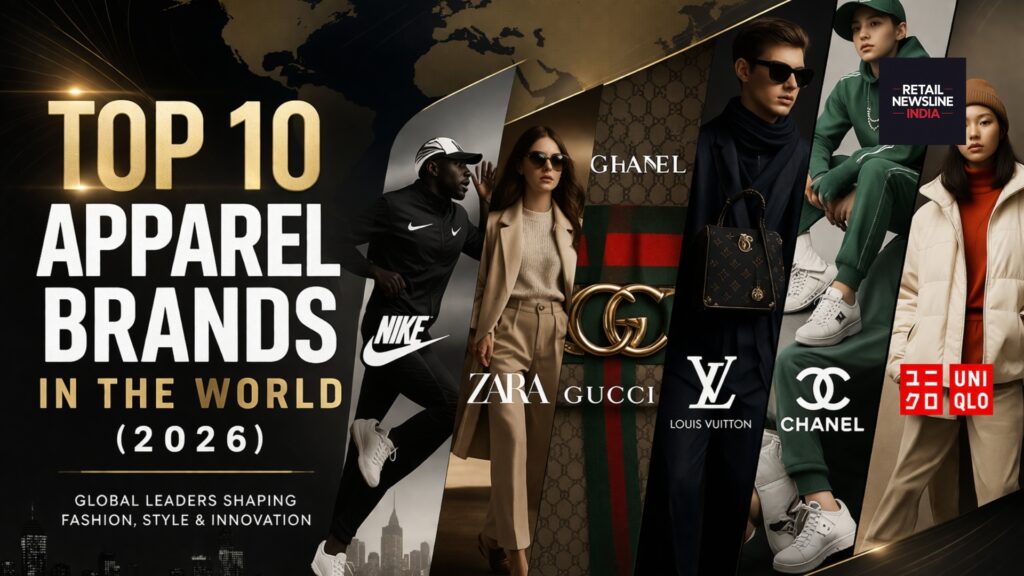
The global apparel industry is one of the most influential and competitive sectors in the world economy. With an estimated valuation exceeding $1.7 trillion, it spans continents, cultures, and consumer segments—from affordable everyday wear to ultra-luxury couture.
Behind this massive ecosystem are a handful of brands that consistently dominate through scale, innovation, and cultural relevance. These companies are not just selling clothing; they are shaping trends, defining identities, and influencing how billions of people dress and express themselves.
This article takes a deep dive into the top 10 apparel brands in the world in 2026, analyzing their business models, growth strategies, and the factors that have helped them achieve global dominance.
The global apparel industry is one of the most influential and competitive sectors in the world economy. With an estimated valuation exceeding $1.7 trillion, it spans continents, cultures, and consumer segments—from affordable everyday wear to ultra-luxury couture.
Behind this massive ecosystem are a handful of brands that consistently dominate through scale, innovation, and cultural relevance. These companies are not just selling clothing; they are shaping trends, defining identities, and influencing how billions of people dress and express themselves.
This article takes a deep dive into the top 10 apparel brands in the world in 2026, analyzing their business models, growth strategies, and the factors that have helped them achieve global dominance.
1. Nike — The Global Benchmark in Sportswear
Nike has long held its position as the world’s leading apparel brand, and its dominance shows no signs of slowing down. What sets Nike apart is its ability to transcend the boundaries of sportswear and become a cultural icon.
The brand’s success is deeply rooted in its innovation-driven approach. From performance-enhancing footwear to advanced fabric technologies, Nike consistently invests in research and development to stay ahead of competitors. Its partnerships with elite athletes and global celebrities further amplify its reach.
Equally important is Nike’s focus on direct-to-consumer channels. By strengthening its digital ecosystem—including apps and online platforms—the brand has built a powerful connection with its audience, reducing reliance on third-party retailers.
Nike’s ability to blend performance, style, and storytelling has made it a leader not just in apparel, but in global branding.
2. Adidas — Bridging Sports and Street Culture
Adidas has carved out a unique position by seamlessly integrating sportswear with streetwear. While it competes directly with Nike in performance gear, its influence extends deeply into fashion and youth culture.
One of Adidas’s key strengths lies in collaborations. By partnering with designers, artists, and cultural icons, the brand has consistently stayed relevant among younger consumers. These collaborations often create limited-edition products that drive demand and brand buzz.
Sustainability has also become a core focus for Adidas. Initiatives around recycled materials and eco-friendly production processes reflect changing consumer expectations and strengthen its brand image.
Adidas’s ability to balance performance, fashion, and sustainability makes it one of the most dynamic players in the global apparel market.
3. Zara — The Pioneer of Fast Fashion
Zara revolutionized the fashion industry by introducing a model built on speed and responsiveness. Unlike traditional brands that operate on seasonal collections, Zara continuously updates its inventory, bringing new designs to stores within weeks.
This agility is made possible by its vertically integrated supply chain, which allows the company to control every stage of production—from design to distribution. As a result, Zara can quickly respond to emerging trends and consumer preferences.
The brand’s stores are strategically designed to reflect a premium aesthetic, even though its products are priced affordably. This positioning has helped Zara appeal to a broad audience looking for style without the high price tag.
Zara’s model has been widely studied and replicated, but few have matched its execution at scale.
4. H&M — Affordable Fashion at Global Scale
H&M is one of the most recognizable names in fast fashion, known for making style accessible to millions of consumers worldwide. Its extensive product range spans clothing, accessories, and home goods, catering to diverse demographics.
The brand’s global footprint is one of its biggest strengths. With stores in numerous countries and a strong online presence, H&M has built a vast customer base.
In recent years, H&M has also emphasized sustainability. Its Conscious Collection and recycling initiatives aim to address growing concerns around environmental impact.
While the fast fashion model continues to face scrutiny, H&M’s efforts to adapt to changing consumer expectations position it as a key player in the industry’s evolution.
5. Uniqlo — Redefining Everyday Essentials
Uniqlo has taken a different approach compared to traditional fashion brands. Instead of chasing trends, it focuses on creating high-quality basics designed for everyday wear.
The brand’s philosophy, often referred to as “LifeWear,” emphasizes simplicity, functionality, and comfort. Innovations such as HeatTech and AIRism fabrics highlight its commitment to technology-driven apparel.
Uniqlo’s minimalist design aesthetic has universal appeal, allowing it to perform strongly across different markets. Its steady expansion, particularly in Asia, has contributed to its growing global influence.
By prioritizing quality and practicality, Uniqlo has built a loyal customer base that values consistency over fleeting trends.
6. Louis Vuitton — The Pinnacle of Luxury Fashion
Louis Vuitton represents the pinnacle of luxury in the apparel and accessories market. Known for its craftsmanship and heritage, the brand has maintained its exclusivity for decades.
One of its defining strategies is controlled distribution. By limiting availability, Louis Vuitton preserves its premium positioning and high demand.
The brand also invests heavily in storytelling, aligning itself with art, culture, and travel. This narrative-driven approach enhances its emotional connection with consumers.
Despite economic fluctuations, luxury brands like Louis Vuitton continue to perform strongly due to their aspirational appeal and loyal customer base.
7. Gucci — Reinventing Luxury for a New Generation
Gucci has undergone a remarkable transformation in recent years, positioning itself as a trendsetter in the luxury segment. Its bold designs and experimental approach have resonated with younger audiences.
The brand’s digital strategy has been particularly effective. By leveraging social media and influencer collaborations, Gucci has built a strong online presence.
This combination of creativity and digital engagement has allowed Gucci to stay relevant in a rapidly changing fashion landscape.
8. Levi’s — A Timeless Icon
Levi’s is synonymous with denim. With a history spanning over 150 years, the brand has maintained its relevance through consistent innovation and brand storytelling.
Denim remains a staple in wardrobes worldwide, and Levi’s has capitalized on this by offering a wide range of fits and styles.
The brand’s focus on sustainability, including water-saving production techniques, reflects its commitment to responsible manufacturing.
Levi’s enduring appeal lies in its ability to balance heritage with modernity.
9. Shein — The Digital Disruptor
Shein has emerged as one of the most disruptive forces in the fashion industry. Its business model is built on data analytics, enabling it to identify trends and produce new designs at unprecedented speed.
Unlike traditional retailers, Shein operates primarily online, allowing it to reach a global audience without the costs associated with physical stores.
Its affordability and vast product selection have made it particularly popular among younger consumers.
However, its rapid growth has also sparked debates around sustainability and ethical practices—issues that could shape its future trajectory.
10. Ralph Lauren — Classic American Elegance
Ralph Lauren has built its brand on timeless style and aspirational living. Its collections reflect a blend of classic and contemporary design, appealing to a wide range of consumers.
The brand’s strength lies in its storytelling. By creating a lifestyle around its products, Ralph Lauren has established a strong emotional connection with its audience.
Its premium positioning and consistent branding have helped it maintain a loyal customer base over the years.
Conclusion
The top apparel brands in the world have achieved their positions through a combination of innovation, scale, and strategic vision.
From the athletic dominance of Nike to the fast fashion leadership of Zara and the luxury appeal of Louis Vuitton, each brand represents a unique approach to winning in the global market.
As the industry continues to evolve, these companies will remain at the forefront, shaping the future of fashion.
Frequently Asked Questions (FAQs)
1. Which is the biggest apparel brand in the world?
Nike is widely considered the largest apparel brand globally due to its strong revenue, brand value, and global presence.
2. What are the most popular fashion brands globally?
Popular brands include Nike, Adidas, Zara, and H&M.
3. Which fast fashion brands dominate the market?
Zara, H&M, and Shein are among the leading fast fashion brands.
4. What makes a fashion brand successful globally?
Success depends on innovation, branding, supply chain efficiency, and understanding consumer trends.
5. Is sustainability important in the apparel industry?
Yes, sustainability is becoming a critical factor influencing both consumer choices and brand strategies.